
Signs Your Home May Need Professional Gas Piping Installation
If you notice signs your home may need professional gas piping installation, local contractors can assess, install, or repair gas lines safely and effectively.
Homeowners who notice unusual smells, hissing sounds, or inconsistent gas appliance performance may be experiencing signs that their home needs professional gas piping installation or repairs. Recognizing these warning signals early can help prevent potential hazards and ensure the safe operation of gas-powered appliances. Property owners in the area often explore these concerns to maintain a safe and efficient living environment, especially when existing gas lines are aging or showing signs of wear. Local contractors who specialize in gas piping can assess these issues, offering expert solutions tailored to the specific needs of each home.
Understanding the practical reasons behind these signs is essential for property owners considering upgrades or replacements of their gas systems. Whether installing new appliances, updating outdated piping, or addressing suspected leaks, connecting with experienced service providers can provide peace of mind. These local professionals are equipped to handle gas piping installation safely and effectively, helping homeowners ensure their homes remain secure and functional. Keep reading to learn more about the common indicators that suggest a professional assessment may be needed and how trusted local contractors can assist with these services.
- Gas piping installation services are often needed when a home shows signs of outdated or damaged gas lines that require professional replacement or upgrades. Local contractors approach these projects by carefully inspecting existing piping and ensuring proper installation to prevent leaks or hazards. Signs your home may need professional gas piping installation include inconsistent gas flow or the smell of gas near appliances, prompting a consultation with experienced service providers. If planning to add new gas appliances or convert existing systems, local pros can handle the necessary piping work safely and efficiently. Addressing these issues promptly with qualified professionals helps maintain safe and reliable gas service in the home.
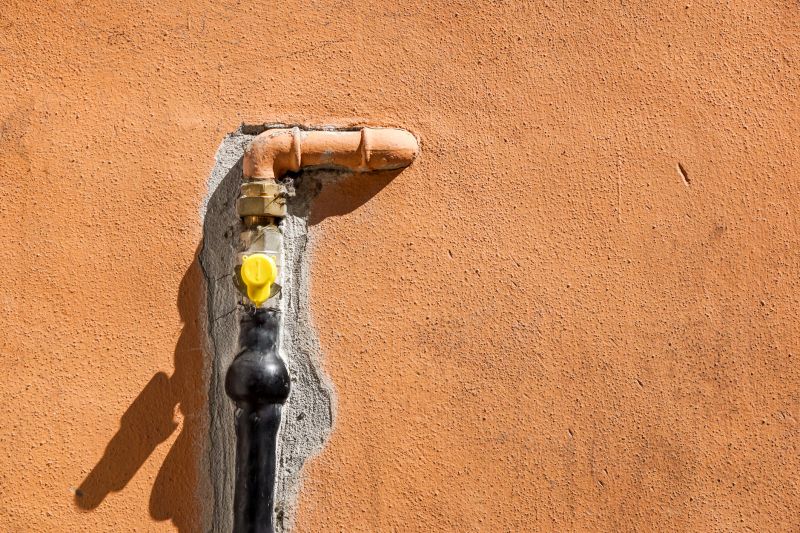
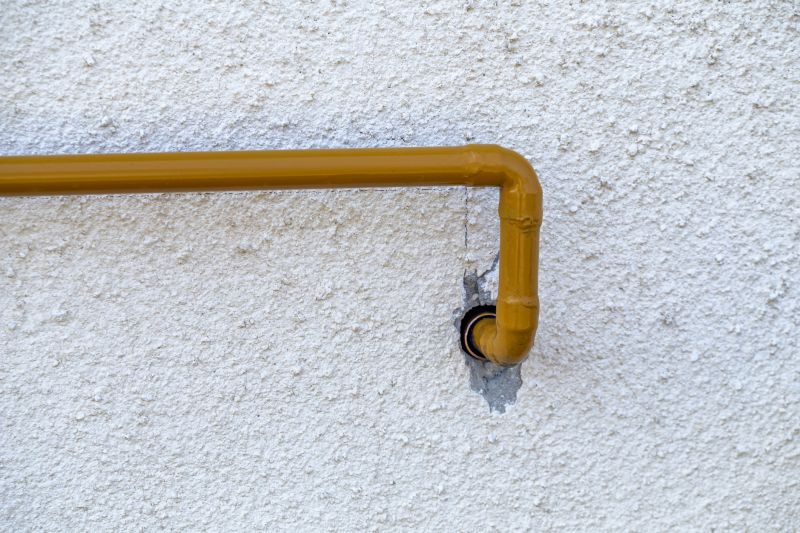
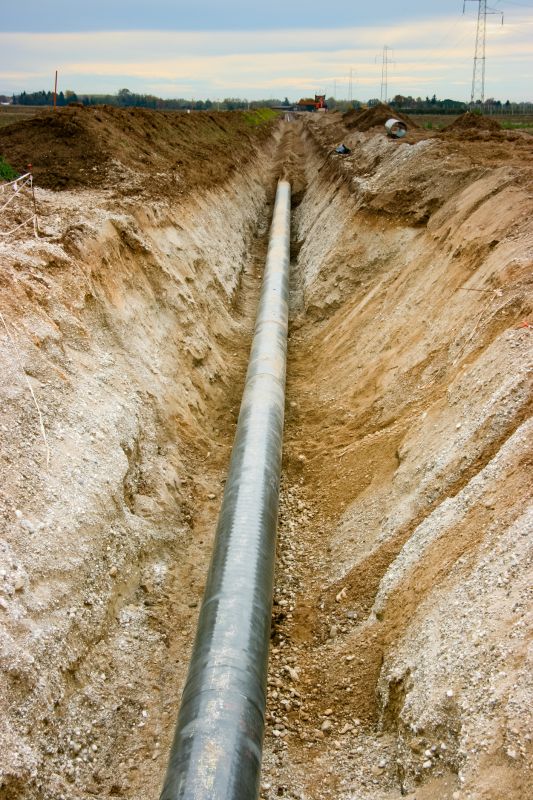
When homeowners search for signs their home may need professional gas piping installation, they are typically trying to identify issues or upcoming projects that involve the home's natural gas or propane systems. This could include noticing irregularities in gas appliance performance, such as frequent pilot light outages, inconsistent heating, or unusual odors near gas fixtures. These signs often indicate potential leaks, outdated piping, or improper installation that could compromise safety and efficiency. Additionally, homeowners planning to add new gas appliances-like a stove, fireplace, or water heater-may seek guidance on whether their existing gas lines are sufficient or if new piping installation is necessary to support the increased demand.
The scope of problems related to gas piping often involves leak detection, pipe corrosion, or inadequate piping capacity. Gas leaks can pose serious safety hazards, making it essential to have a professional evaluate the integrity of the system if any smell of gas or hissing sounds are detected. On the other hand, plans for installing new appliances or expanding existing systems require careful assessment of the current piping layout. Proper gas piping installation ensures that appliances operate safely and efficiently, reducing the risk of leaks and ensuring compliance with local codes. Service providers experienced in gas piping can evaluate the property’s existing infrastructure and recommend appropriate upgrades or new installations to meet the specific needs of the household.
Properties that typically come up in discussions about gas piping installation include single-family homes, multi-family residences, and even some commercial buildings. Older homes are often prime candidates for upgrades, especially if the original gas lines were installed decades ago and have deteriorated over time. Newer properties might need additional piping if homeowners are adding large or multiple gas-powered appliances. Certain types of properties, such as those with basements or crawl spaces, may require specialized piping routes to ensure safety and accessibility. Regardless of the property type, a professional assessment helps determine whether existing gas lines are adequate or if new piping is needed to support current or future appliances.
Understanding how local service providers fit into the process is key for homeowners considering gas piping work. These professionals can perform comprehensive inspections to identify potential issues and determine if the current system requires repair or replacement. When plans involve installing new gas appliances or upgrading existing infrastructure, they can design and execute the appropriate piping solutions. Connecting with experienced gas piping installation contractors ensures that the work aligns with safety standards and local regulations, providing peace of mind for homeowners. Whether addressing signs of leaks or planning a major upgrade, having trusted local pros handle the installation helps ensure the job is done correctly and safely.
Gas line installation for appliances - installing new gas lines for stoves, water heaters, or fireplaces requires similar planning and piping skills as gas piping installation for homes.
Kitchen remodels involving gas appliances - upgrading or adding gas-powered kitchen appliances involves coordinating with local contractors experienced in gas piping to ensure proper connections.
Fixture installation and replacement - installing or replacing gas fixtures such as ranges or dryers often requires precise piping work similar to initial gas piping setups.
Gas leak detection and repair services - identifying and fixing gas leaks involves understanding piping systems and safety procedures akin to those used in gas piping installation projects.
Basement or utility room plumbing upgrades - rerouting or expanding gas lines during utility room renovations demands skills comparable to those needed for professional gas piping installation.
HVAC system connections involving gas - integrating gas lines with heating systems or furnaces requires careful planning and piping expertise shared with gas piping installation services.
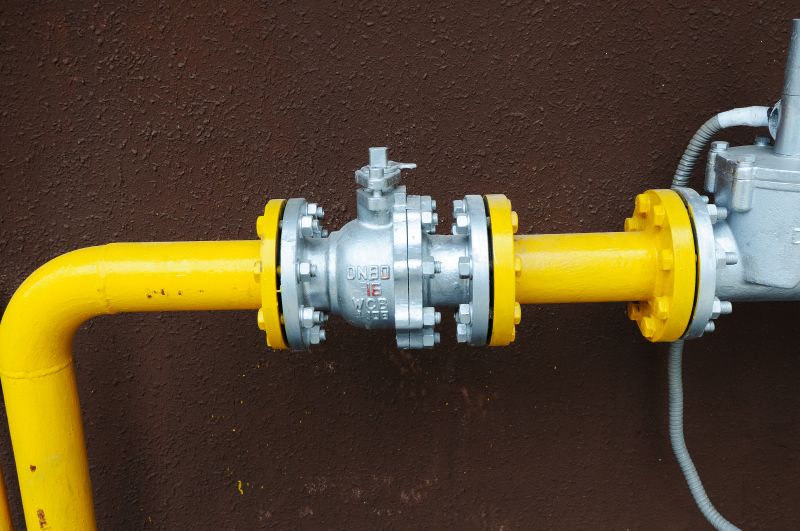
When evaluating service providers for gas piping installation, it’s important to consider their experience with similar projects. Homeowners should inquire about how many installations they have completed that are comparable in scope and complexity. A contractor with a history of handling projects like yours is more likely to understand the specific requirements and challenges involved, helping to ensure the work is done safely and correctly. Additionally, requesting references or examples of past work can provide insight into their expertise and reliability, allowing homeowners to verify that the contractor has a track record of successful installations.
Clear, written expectations are essential when working with local contractors on gas piping projects. Homeowners should seek detailed estimates and scope of work documents that outline what is included and what is not, avoiding misunderstandings later on. A reputable service provider will be transparent about the process, materials used, and any potential issues that may arise. Having these expectations documented helps ensure everyone is on the same page and provides a basis for accountability throughout the project.
Effective communication is a key factor when comparing local contractors for gas piping installation. Homeowners should look for service providers who are responsive, willing to answer questions, and able to explain technical aspects in understandable terms. Good communication fosters trust and helps clarify project details, timelines, and any concerns that may come up. Choosing a contractor who prioritizes clear dialogue can make the process smoother and more transparent, ultimately leading to a better overall experience.
Property owners often search for signs your home may need professional gas piping installation when they are planning practical projects around their homes and businesses. Local pros provide Gas Piping Installation services for everyday jobs and straightforward project options.
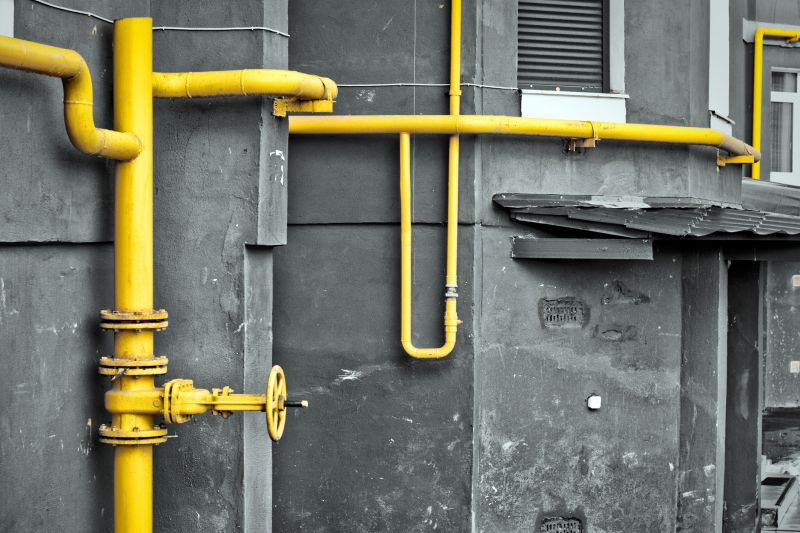
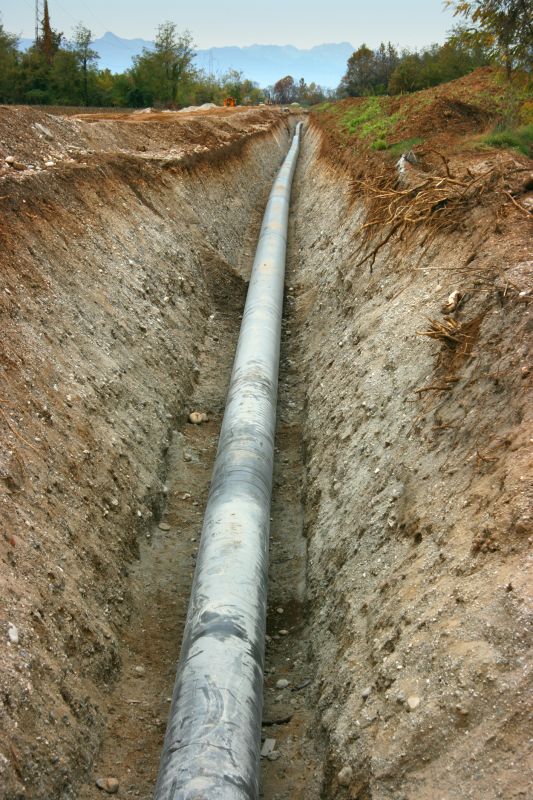
Homeowners in the area might start considering professional gas piping installation when they notice persistent issues with gas appliances, such as irregular heating or frequent outages. Additionally, if there are signs of outdated or damaged piping-like corrosion, leaks, or a noticeable smell of gas-it can indicate the need for a thorough inspection and possible upgrades by experienced service providers. Property owners often look into these services when planning renovations or expansions that involve adding new gas-powered features, ensuring the system can safely support the increased demand.
Other common reasons for seeking out local contractors for gas piping work include the installation of new appliances like fireplaces, stoves, or water heaters that require proper gas connections. Homeowners may also become concerned if they experience a sudden drop in gas pressure or hear hissing sounds near their pipes, which could signal potential problems. In such cases, professional gas piping installation becomes essential to ensure safety and reliable operation, prompting property owners to explore trusted service providers in the area.
How can I tell if my home's gas piping is outdated or damaged? Signs your home may need professional gas piping installation include the smell of gas, frequent leaks, or visible corrosion on pipes, indicating the need for inspection and possible replacement by local contractors.
What symptoms suggest a gas line issue in my home? If appliances are not functioning properly, or if there are hissing sounds or a rotten egg odor, these may indicate problems with the gas piping that require assessment by experienced service providers.
Are there warning signs of gas leaks related to piping? Yes, the presence of a sulfur-like smell, hissing sounds near pipes, or increased utility bills can be signs of gas leaks, prompting a professional evaluation of the gas piping system.
When should I consider professional gas piping installation instead of repairs? If your home has old or damaged pipes, or you’re planning renovations that involve gas lines, local contractors can help determine if new gas piping installation is necessary for safety and efficiency.
What visual cues might indicate the need for gas piping updates? Visible rust, corrosion, or cracked pipes are signs your home may need professional gas piping installation to ensure safe and reliable gas supply.
Unusual Gas Odors - noticing a persistent gas smell in the home can indicate leaks that require professional gas piping installation or repairs by local contractors.
Inconsistent Appliance Performance - if gas-powered appliances are not functioning properly or show irregularities, it may be a sign to have a professional evaluate the piping system.
Old or Damaged Piping - homes with outdated or visibly corroded gas pipes should consider professional assessment and possible replacement services from local experts.
Recent Renovations or Additions - adding new appliances or expanding living spaces can necessitate updated gas piping installed by experienced local contractors to ensure safety and code compliance.
If you are thinking about signs your home may need professional gas piping installation for a property, this guide is meant to help you understand this topic, the typical project types, and how different options might fit your plans.
When you are ready, you can use the quote form on this page to share a few details about your project. From there, local pros can review the basics and follow up with options that match what you have in mind.